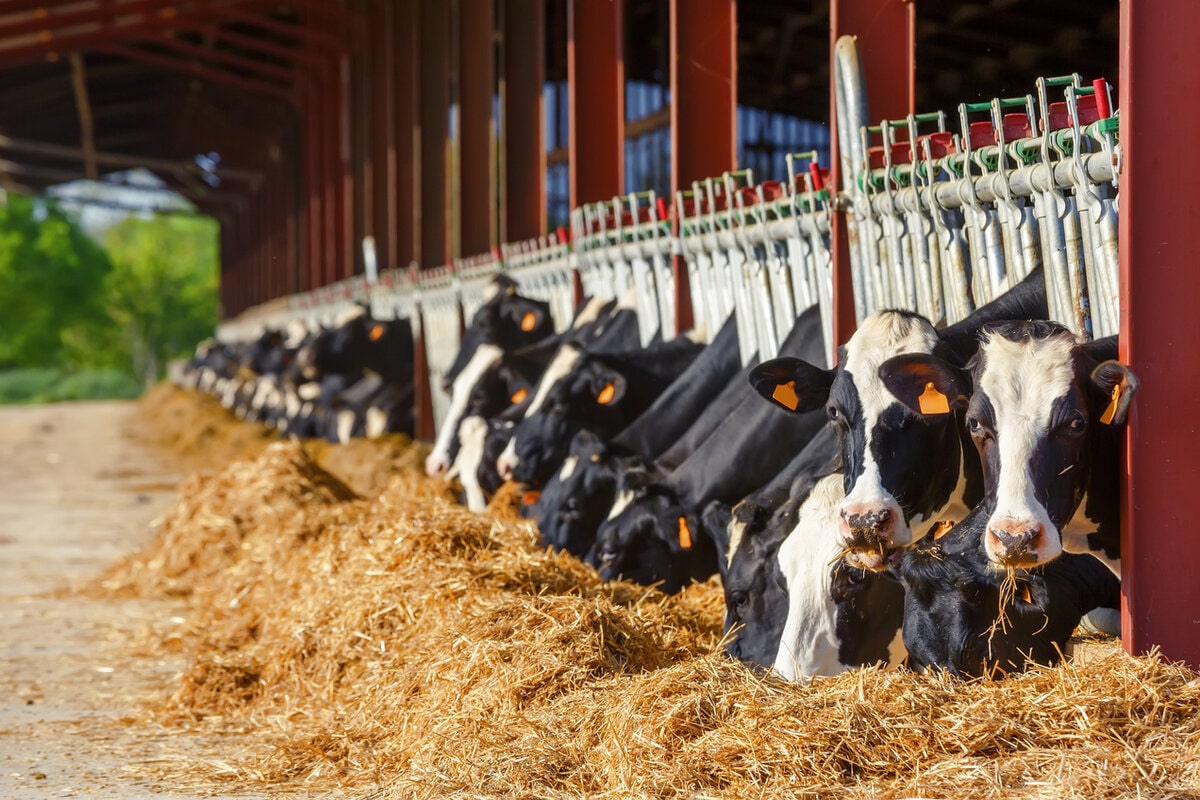
The benefits of feeding cows grass over grains
Feeding cows grass instead of grains offers numerous benefits for their health, milk quality, environmental sustainability, and overall productivity. Here’s why grass-fed diets are superior:
1. Improved Animal Health
✔ Better Digestion – Cows are ruminants, naturally adapted to digest fibrous grasses. Grass-based diets support proper rumen function and reduce digestive disorders like acidosis, which is common in grain-fed cattle.
✔ Lower Risk of Disease – Grain-fed cows are more prone to bloating, liver abscesses, and metabolic disorders, while grass-fed cows maintain a more balanced and natural gut microbiome.
2. Higher-Quality Milk & Meat
✔ Rich in Omega-3s & CLA – Grass-fed dairy and meat contain higher levels of omega-3 fatty acids and conjugated linoleic acid (CLA), which are beneficial for heart health.
✔ More Nutrients – Grass-fed milk and meat have higher levels of vitamins A, E, and antioxidants, making them more nutritious.
3. Environmental Benefits
✔ Lower Carbon Footprint – Grass-fed systems rely on pastures instead of resource-intensive grain production, reducing methane emissions and water usage.
✔ Soil Health & Biodiversity – Rotational grazing enriches soil, prevents erosion, and supports wildlife compared to grain farming, which often leads to soil degradation.
4. Ethical & Natural Farming
✔ Better Animal Welfare – Grass-fed cows live more natural lives, grazing freely instead of being confined to feedlots.
✔ Reduced Antibiotic Use – Grain-fed cows often require antibiotics due to illness from unnatural diets. Grass-fed cows are less dependent on medications, promoting healthier livestock.
5. Economic & Sustainability Benefits
✔ Lower Feed Costs – Farmers relying on pasture instead of grain-based feed save money on expensive commercial feeds.
✔ Long-Term Sustainability – Grass-fed systems promote regenerative agriculture, ensuring healthier farms for future generations.