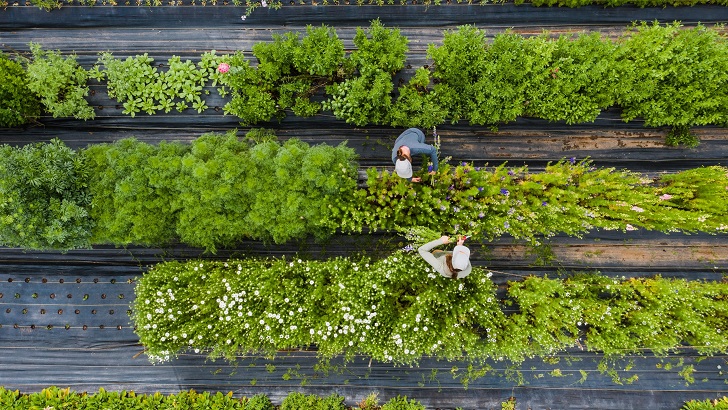
Organic farming
Organic farming is an agricultural approach that relies on natural processes and ecological balance rather than synthetic chemicals. It incorporates green manure, compost, crop rotation, and biological pest control to cultivate crops, livestock, and poultry in an environmentally friendly manner. This method prioritizes soil health, biodiversity, and sustainability, ensuring long-term agricultural productivity while minimizing environmental impact.
A key focus of organic farming is to enhance soil fertility and biological activity by using organic materials such as animal manure, green manure, cover crops, and crop rotation to naturally suppress pests and diseases. Unlike conventional farming, synthetic fertilizers, pesticides, herbicides, and antibiotics are strictly avoided to maintain a chemical-free ecosystem. The primary objective is to manage agricultural production using the most natural and sustainable methods. By protecting and enriching the soil, organic farming ensures consistent and high-quality yields while preserving the land for future generations.
Rather than emphasizing maximum yield, organic farming aims to produce nutrient-rich, high-quality food while safeguarding the environment and promoting biodiversity. This approach also contributes to energy conservation, as it maximizes the use of solar energy and reduces dependence on fossil fuels. Additionally, by eliminating chemical residues, organic farming helps reduce water and air pollution, cutting down on state expenses for environmental cleanup.